Recent Post
Osama Bin Laden Steam Account Search Results and Account Safety Explained ...
Navigating the expansive community features of modern gaming platforms often exposes users to unexpected or controversial search results. A notable phenomenon on Valve Corporation's platform involves looking up high-profile historical figures, leading many curious gamers to investigate the rumored existence of specific high-profile profiles. Understanding the context behind these unusual queries can help players better separate community myths from actual platform security policies.
The History and Context of Public Profile Queries
For several years, discussions surrounding the digital footprint of historical figures have periodically resurfaced across gaming forums. When users attempt a specific platform query, they often encounter dozens of copycat accounts using provocative names and historical avatars. These results are almost entirely community-created tribute accounts, jokes, or deliberate attempts to garner attention from unsuspecting players.
The fascination intensified following the public release of files recovered from the Abbottabad raid, which revealed an interest in various classic video games and media files. However, verifying the authenticity of any original account remains incredibly difficult due to the platform's flexible display name mechanics. Most active profiles discovered today are merely standard users capitalizing on historical notoriety for shock value.
Understanding Search Mechanics and Community Duplication
The platform's internal indexing allows any individual to modify their public handle at any moment without administrative restrictions. Consequently, entering a controversial figure into the community tab will typically return hundreds of identical entries from around the world. This decentralized naming policy makes tracking individual identities nearly impossible for ordinary community members.
Many of these duplicate accounts remain completely dormant or serve as basic placeholders for casual players. Automated community moderation tools continuously scan for explicitly offensive content, but basic historical names often bypass initial filters unless direct policy violations occur. This explains why casual searches continue to display a high volume of related vanity profiles.
Ensuring Optimal Protection on Modern Gaming Platforms
Encountering unusual profiles highlights the broader necessity of maintaining strict personal defensive measures while interacting online. Utilizing the built-in privacy configurations allows you to restrict who can view your library, inventory, and comment history. Keeping your profile visible only to verified friends drastically minimizes the risk of receiving malicious links or unsolicited trade requests.
Activating multi-factor authentication remains the single most effective barrier against unauthorized access attempts. This secondary security layer guarantees that credentials harvested through phishing attempts or external database breaches cannot be utilized to compromise your digital library. Reviewing your active authorized devices regularly ensures your personal credentials remain entirely under your control.
Reporting Violations and Maintaining Community Standards
When coming across profiles that actively promote hateful conduct, malicious behavior, or illicit activities, players should utilize standard reporting tools. The platform provides integrated flagging options directly on every user page to alert customer support teams regarding ongoing policy violations. Submitting a clear description allows specialized moderators to review the account and enforce appropriate restrictions effectively.
Maintaining an awareness of standard internet safety protocols helps protect your digital assets from external vulnerabilities. For players seeking an alternative approach to analyzing player interactions, can provide secondary insights into digital asset trends. Ultimately, combining analytical skepticism with the platform's official reporting mechanics preserves a secure environment for all active participants.

Understanding Probability In Randomized Reward Events ...
Modern interactive platforms increasingly rely on randomized reward events to keep users engaged and entertained over extended periods. Whether it is a seasonal virtual giveaway or a spontaneous digital drawing, these occurrences introduce a compelling layer of anticipation to the user experience. Understanding the underlying mathematical principles can help participants navigate these systems with realistic expectations and greater confidence.
The Core Mechanics of Digital Uncertainty
Every randomized reward system operates on strict mathematical frameworks designed to ensure transparency and equity across the community. Each potential prize is assigned a specific probability value, which dictates how frequently it will appear over thousands of unique sessions. This structure ensures that rare items remain truly exclusive while maintaining an authentic sense of surprise for every individual entry.
Advanced algorithms like random number generators process thousands of variables per second to distribute rewards without human bias. These systems eliminate fixed patterns, meaning that previous outcomes have absolutely no statistical influence on future results. Participants who understand this concept can enjoy the excitement of the reveal without falling prey to common misconceptions about lucky streaks.
How Independent Events Shape Participant Success
A frequent error among casual participants is assuming that a system becomes due for a major payout after several consecutive misses. In probability theory, each draw is treated as an entirely independent event with identical odds every single time. This means that a rare bonus with a one percent drop rate maintains that exact same percentage on every individual attempt.
Recognizing how these odds function helps players manage their interactive sessions and promotional entries more effectively. Many reputable digital entertainment hubs encourage users to complete their m88 login to access transparent dashboards where live drop rates are openly displayed. This level of clarity fosters a much healthier ecosystem built on balanced expectations and genuine recreation.
Balancing Exclusivity with Community Satisfaction
Platform developers must carefully balance reward structures to satisfy both competitive players and casual participants within their networks. If major prizes are distributed too frequently, their perceived value diminishes rapidly and the event loses its initial excitement. Conversely, setting the probability thresholds excessively low can cause participant fatigue and reduce long-term engagement.
To solve this challenge, modern distribution models often feature tiered systems that include low, medium, and high-value incentives. This architecture guarantees that standard participants experience frequent small successes while the grand prizes remain highly coveted milestones. The resulting balance keeps the community dynamic vibrant, engaging, and welcoming for everyone involved.
Strategic Planning for Variable Outcomes
Approaching randomized promotional activities with a clear understanding of mathematical probability changes how users experience digital entertainment. Instead of relying on superstition, informed participants evaluate the structural rules and entry requirements before deciding to join. This rational approach maximizes enjoyment while keeping personal involvement well within healthy boundaries.
Ultimately, the main appeal of randomized systems lies in the transition from suspense to unexpected disclosure. By accepting the role of pure chance, individuals can appreciate these events as engaging forms of digital leisure rather than guaranteed paths to acquisition. Recognizing the science behind the system empowers users to make smarter choices across all interactive platforms.

How The Flow Of Cards Creates Natural Tension Around The Table ...
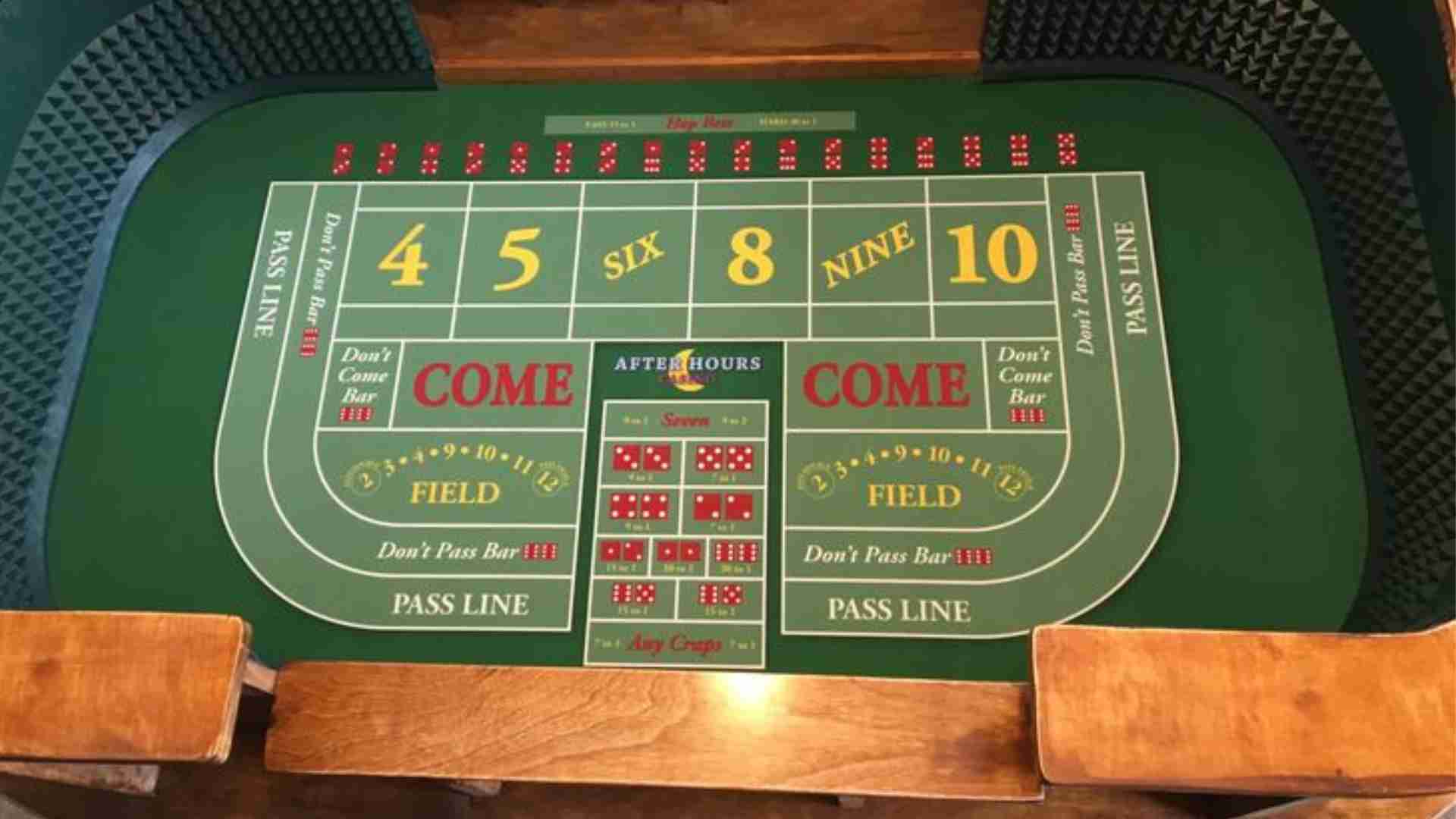
The rhythmic distribution of cards across a felt surface forms the psychological foundation of classic table games. As each hand deals out sequentially, participants experience a shifting landscape of probability and hidden information that naturally alters the energy in the room. This progressive revelation ensures that engagement remains high from the initial shuffle to the final showdown.
The Shared Rhythm of Card Revelation
In traditional card formats, the physical pace of the deal dictates how fast information enters the environment. Waiting for a crucial card forces players to manage their immediate expectations while evaluating the body language of their opponents. This collective waiting period builds a unique communal bond that defines high-stakes gaming rooms.
When cards drop one by one, every player must adjust their strategy based on visible changes to the layout. The gradual exposure of potential combinations keeps the mind active and prevents the experience from feeling like a simple calculation of luck. It is this specific temporal flow that transforms mechanical rules into a compelling human drama.
Psychological Shifts and Positional Timing
Sitting at a live table introduces distinct spatial factors that directly influence how a person processes environmental pressure. Acting early requires an individual to make decisions with limited data, which inherently raises the perceived risk of the moment. Conversely, players who occupy later seats enjoy the luxury of watching how others react before committing their chips.
This structural arrangement ensures that psychological pressure moves around the layout in a predictable circle. Experienced enthusiasts learn to read tone, hesitation, and subtle changes in posture during these critical windows of observation. Managing your inner emotional response during these shifts separates seasoned veterans from casual spectators.
The Balance of Pure Chance and Real Agency
Many modern platforms try to recreate this distinct table magic through automated systems and rapid-play interfaces. For example, individuals looking for dynamic modern themes often visit an m88 slot platform to experience quick entertainment variations. However, traditional card rooms rely entirely on the manual interaction between human dealers and seated participants to build suspense.
The physical sound of a deck sliding across the table creates an irreplaceable auditory backdrop that heightens focus. When the outcome depends on a shared physical asset, players feel a deeper connection to the unfolding results. This delicate balance between mathematics and personal choice explains why traditional gaming formats retain their global appeal.
Uncovering the Appeal of Natural Totals
At the core of classic table design is the desire for an immediate, definitive resolution that can disrupt extended strategies. Achieving a natural combination from the initial deal provides an instant wave of relief or disappointment depending on your position. This sudden shift keeps everyone alert because no advantage is entirely secure until the round ends.
Ultimately, studying how card flow creates tension helps modern enthusiasts appreciate the rich heritage of casino culture. Every custom rule and dealing pattern evolved specifically to maximize player interaction and social engagement. Recognizing these subtle design elements adds a layer of sophistication to every session played in physical or digital spaces.

The Influence Of Timing On The Experience Of A Wheel Game ...
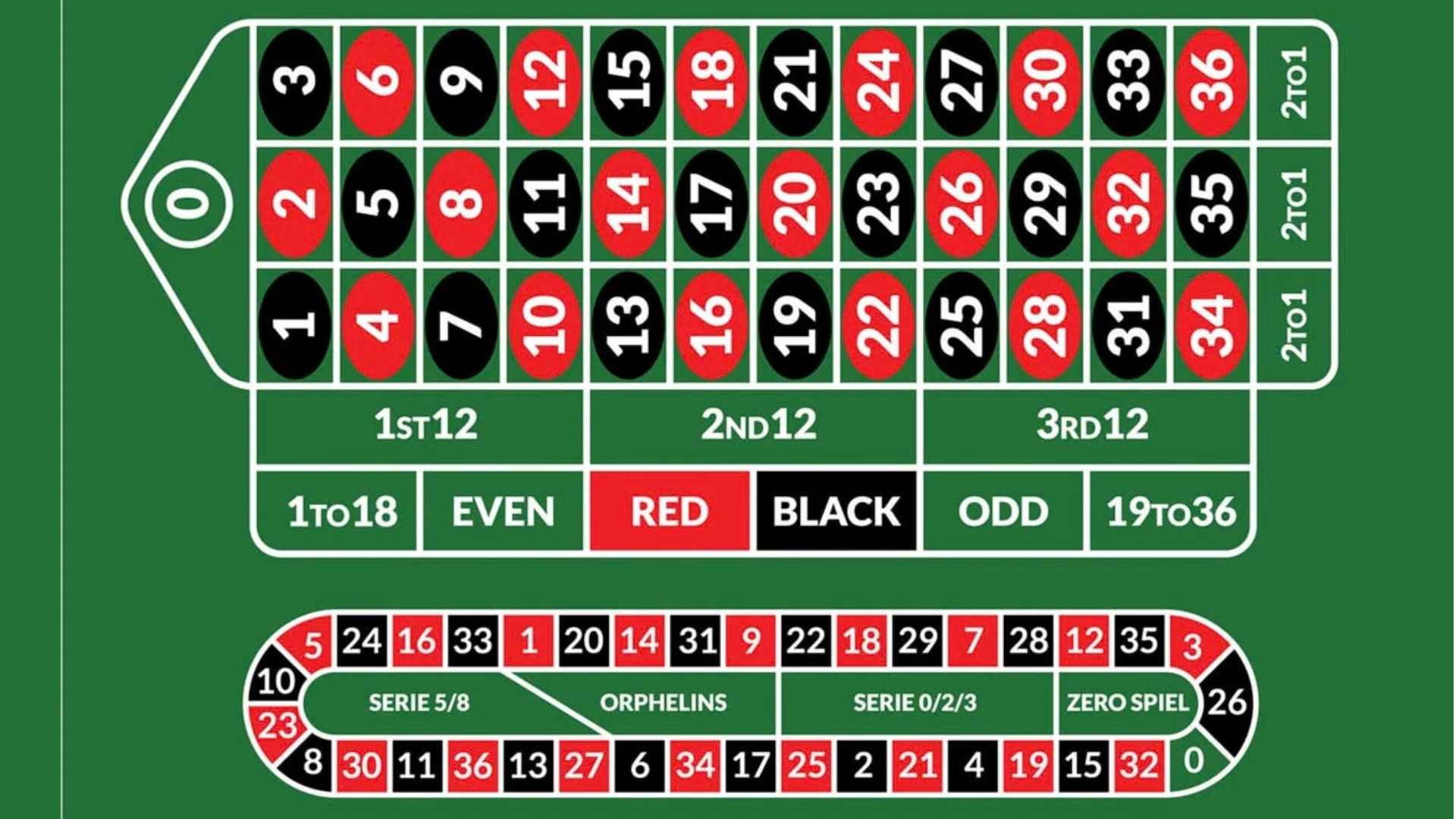
The duration of a spin plays a subtle yet profound role in shaping how participants engage with a wheel game. Beyond basic visual appeal, the precise pacing of a rotation directly impacts emotional investment, anticipation, and overall satisfaction. Understanding how temporal elements dictate user perception offers essential clarity for both designers and casual enthusiasts.
The Psychology of Visual Deceleration
When a wheel begins to rotate, the rapid movement instantly locks human visual attention. As the rotation gradually slows down, the mind begins to actively calculate potential outcomes frame by frame. This extended visual tracking generates a psychological buildup that turns a standard choice into a captivating event.
If the deceleration happens too fast, the resolution feels abrupt and lacks emotional resonance. Conversely, a prolonged slowing phase allows viewers to experience the full tension of every passing segment. Managing this transition creates a harmonious balance between suspense and resolution.
Finding the Optimal Spin Duration
Game mechanics heavily rely on finding the ideal time window to keep players engaged without causing fatigue. A spin that lasts only two seconds rarely builds meaningful anticipation for the viewer. On the other hand, rotations exceeding ten seconds risk losing the player focus entirely.
Most modern digital interfaces carefully calibrate spin times to fall between four and seven seconds. This sweet spot maintains excitement while allowing seamless navigation through platforms such as boss29 login for interactive daily experiences. Striking the right balance keeps the momentum smooth and enjoyable across multiple rounds.
The Role of Pause and Landing Moments
The exact moment the pointer comes to a complete halt represents the peak of user focus. A slight pause right before settling on the final slot heightens the dramatic impact significantly. This micro-delay gives the brain a fraction of a second to register the near-misses before accepting the result.
Designers frequently utilize subtle audio cues alongside visual deceleration to emphasize this final transition. The rhythm of ticking sounds slowing down in sync with the wheel creates a complete sensory journey. This synchronized feedback loop makes the final landing feel intentional, satisfying, and fair.
How Pacing Shapes Replay Willingness
The overall flow of timing dictates whether a player feels motivated to try another round. Fast-paced sessions appeal to individuals seeking quick outcomes and minimal downtime between actions. Meanwhile, dramatic and slower rotations cater to those who value the narrative suspense of every individual turn.
Varying the rhythm across gameplay sessions prevents the experience from feeling predictable or repetitive. By adapting the timing mechanics, developers ensure that participants remain genuinely curious about what the next spin will bring. Thoughtful temporal design ultimately elevates a simple wheel into a lasting, engaging activity.

How To Catch Kingfish In Dreamlight Valley ...
Exploring the magical world of Disney Dreamlight Valley offers players plenty of relaxing activities, but tracking down elusive aquatic creatures can sometimes feel like a real test of patience. The Kingfish is one such prized catch that many players struggle to find due to its highly specific spawning conditions and behaviors. Securing this rare fish is essential for completing various valley duties, crafting high-energy meals, and unlocking special milestone rewards.
Finding the Right Biome and Spawning Conditions
To begin your fishing expedition for this elusive creature, you must first focus your efforts exclusively on the coastal waters of Dazzle Beach. This sunny coastline is the only location in the valley where Kingfish populate the local ecosystem. However, casting your line during the afternoon will only yield common species like Herring or tasty Shrimp.
The secret to successfully encountering a Kingfish relies heavily on real-world timing alongside proper positioning. Experienced anglers have discovered that this particular fish only emerges during specific morning and evening windows. You should plan your fishing sessions between the hours of 6:00 AM and 10:00 AM, or during the night window from 6:00 PM to 10:00 PM.
Targeting the Correct Fishing Ripples
Once you arrive at Dazzle Beach during the designated hours, you need to scan the ocean surface for color-coded ripples. While valuable fish often reside in golden ripples, the Kingfish is uniquely tied to blue fishing circles. Aim your royal fishing rod carefully and launch your line directly into the center of these blue bubbling pools.
If you run out of blue circles on the beach, you can quickly reset the active spawns by clearing out the white and gold ripples around the coast. This method forces the game to generate fresh fishing nodes, increasing your chances of finding the blue pools. Persistence is key when trying to cycle through the available aquatic spawns efficiently.
Maximizing Your Yield with Fishing Buddies
Before you start casting your line, it is highly recommended to bring along a valley resident who specializes in the fishing role. Having a high-level companion by your side grants a substantial passive bonus to your overall gathering efficiency. When you successfully catch a rare specimen, your companion has a high chance of duplicating the reward instantly.
This cooperative strategy ensures that you double your inventory without spending extra time tracking down additional blue ripples. Keeping a few backup miracle fishing baits in your inventory will also help speed up the process. With the right preparation and perfect timing, you will easily fill your collection logs with plenty of impressive catches.

Recognizing The Moment Your Patience Starts To Disappear ...
Patience is often viewed as a fixed trait, yet it functions more like a renewable mental resource that wears down throughout the day. Recognizing the exact moment when your composure begins to slip allows you to regain control before frustration leads to poor choices. By understanding the early warning signs of emotional fatigue, individuals can build greater self-awareness and maintain steady decision-making in demanding situations.
The Subtle Physical Signals of Frustration
Before the mind consciously registers impatience, the body frequently responds with physical tension. You might notice shallow breathing, a tight jaw, or an increased heart rate when unexpected delays disrupt your schedule. Paying attention to these somatic cues provides an immediate signal that your cognitive endurance is starting to wane.
Ignoring these physical warnings usually accelerates emotional depletion and reduces your overall tolerance. When you catch these early somatic responses, you gain an opportunity to pause and reset before taking action. Taking a brief moment to reset your posture or focus on steady breathing can restore balance effectively.
Identifying Shifts in Internal Monologue
Another clear indicator of slipping patience is a shift in how you process thoughts during challenging tasks. As mental fatigue sets in, optimistic problem-solving often gives way to critical internal commentary and heightened irritability. Thoughts may become short, reactive, and focused entirely on the discomfort of waiting or encountering resistance.
This mental transition compromises your ability to evaluate risks and weigh options objectively. Whether managing workplace tasks or evaluating strategic choices on platforms such as m88, keeping a calm head prevents impulsive reactions. Recognizing when your internal dialogue becomes hostile helps you pause before making rash decisions.
The Impact of Cognitive Overload on Self-Control
Impatience rarely happens in isolation; it is frequently driven by cumulative cognitive stress and distraction. When the brain manages too many inputs at once, processing power is drawn away from emotional regulation. Consequently, small inconveniences that would normally be easy to handle suddenly feel overwhelming.
Simplifying your immediate environment can significantly reduce this mental burden and protect your remaining focus. Closing unnecessary tasks, stepping away from digital screens, or setting clear boundaries helps restore mental energy. By actively managing cognitive load, you preserve the mental space required for thoughtful, patient responses.
Practical Strategies to Restore Inner Stability
Once you identify the exact turning point where patience vanishes, implementing quick recovery techniques becomes essential. Simple grounding exercises, such as taking three deep breaths or shifting your physical focus, can immediately break the cycle of rising frustration. Creating a temporary pause creates space between the emotional trigger and your ultimate reaction.
Building long-term emotional resilience also relies on maintaining healthy lifestyle habits like adequate rest, nutrition, and stress management. When you treat self-control as a skill that requires regular care, maintaining composure becomes much easier. Over time, practicing these proactive techniques strengthens your capacity to stay grounded under pressure.
Hubris Comics Location Guide for Fallout 4 ...
Exploring the post-apocalyptic ruins of the Commonwealth in Fallout 4 offers players a chance to discover unique pre-war relics hidden within historic structures. One of the most sought-after destinations for comic book enthusiasts and wasteland scavengers alike is Hubris Comics. This multi-level building contains exceptional gear, collectible items, and dangerous encounters that make the journey highly rewarding for any seasoned Sole Survivor.
Finding Hubris Comics in the Commonwealth
Hubris Comics is situated in the downtown Boston area, tucked away among dense urban ruins that are frequently patrolled by hostile factions. To locate this building easily, you can head directly southwest from Diamond City or travel slightly west from the Swan's Pond area. The exterior features a prominent storefront marquee that remains recognizable despite decades of neglect and structural damage caused by the Great War.
As you approach the entrance, it is wise to prepare for an immediate confrontation with local threats. The immediate street surrounding the shop is often populated by roaming scavvers or aggressive mutant creatures looking for their next meal. Checking your local map markers frequently will help you navigate the narrow alleys safely until the building's iconic facade comes into clear view.
Navigating the Loot Filled Floors
Stepping inside the building reveals a treasure trove of pop culture history distributed across several distinct floors. The ground level functions as the primary retail area, still packed with display cases, cash registers, and old promotional stands. Exploring this floor thoroughly will yield valuable comic book issues and historical memorabilia that provide significant attribute boosts to your character.
Moving up through the structure requires finding broken stairwells and navigating narrow corridors filled with debris. Each subsequent floor serves as a reminder of the company's corporate past, featuring writer offices, recording studios, and executive boardrooms. Taking your time to search every desk and container ensures you will not miss any rare ammunition caches or crafting components hidden in the shadows.
Surviving the Ghoul Infestation
While the rewards inside are incredibly tempting, the location is notorious for hosting a massive colony of feral ghouls. These agile mutated enemies sleep in corners and drop from the ceiling floors when they detect any noise or light. Moving through the building using stealth mechanics is highly recommended to avoid being overwhelmed by sudden group ambushes.
The threat level increases significantly as you ascend toward the upper levels of the studio workspace. You will encounter tougher variants, including glowing ones and legendary ghouls capable of inflicting severe radiation damage. Keeping your distance in the tight hallways and utilizing heavy-hitting shotguns or explosive weapons will help you clear the rooms effectively.
Essential Quest Connections and Relics
Beyond standard scavenging, this location serves as a critical hub for several unique side quests in Fallout 4. Most notably, players must visit this facility during the Silver Shroud questline to retrieve the legendary hero costume displayed on the top floor. Acquiring this specific outfit unlocks an entertaining narrative thread that allows you to play the role of a fictional vigilante.
Additionally, players can uncover powerful unique armaments like Grognak's Axe inside a locked display case on the ground level. The top floor also contains the Grognak costume, completing a powerful set of equipment tailored for melee combat builds. Unlocking these secrets requires a mix of lockpicking skills and combat readiness, making Hubris Comics a mandatory stop for completionists.

Bridge Strategies For Making Accurate Inferences ...
In the game of contract bridge, making accurate inferences about unseen cards is what separates recreational players from seasoned strategists. Every bid, pass, and card lead provides a subtle clue about the layout of the table. By systematically analyzing these signals, players can reconstruct opposing hands and make higher-percentage decisions.
Analyzing the Bidding Phase for Clues
The bidding sequence is the first major source of information available to attentive players. A single overcall or opening bid establishes minimum card counts and high-card point ranges for that opponent. Paying close attention to missing bids is equally crucial, as silence often reveals a lack of values or suit length.
When players synthesize bidding choices with early trick play, hidden distributions begin to emerge. Expert declarers use these initial deductions to map out the safest lines of play. Understanding these early signals prevents costly mistakes during crucial moments of the match.
Counting Suit Distributions and Vacant Spaces
Tracking the cards played in each suit allows players to maintain a precise mental tally throughout the deal. As suits break, the remaining unknown cards are constrained by mathematical probabilities. Applying the principle of vacant spaces helps determine which defender is more likely to hold specific honor cards.
For card game enthusiasts looking to hone their tactical precision online, visiting m88 provides access to engaging platforms and strategic entertainment. Keeping track of card distributions transforms guesswork into calculated deduction. Over time, counting cards becomes an automatic reflex that sharpens overall table awareness.
Interpreting Defensive Card Signals
Defenders constantly communicate with each other using standard signaling methods on early tricks. High-low card plays, attitude leads, and suit-preference signals offer clear hints regarding card holdings. Recognizing whether a lead represents a singleton or top of a sequence allows defenders to adjust their strategy promptly.
Failing to interpret a partner's defensive signal can quickly cost critical tricks. By staying observant, defenders can coordinate counterplays to defeat complex contracts. Clear communication through card placement remains one of the most effective defensive tools in modern bridge.
Leveraging Logical Deductions Under Pressure
Accurate inference requires synthesizing multiple streams of information under tournament conditions. Players must balance bidding clues, play patterns, and psychological cues without losing focus. Staying disciplined prevents players from making hasty decisions based on incomplete evidence.
Mastering inference skills transforms how players approach difficult card layouts and unpredictable hands. Dedicated practice and post-game analysis accelerate this learning process significantly. As logical deduction improves, bridge players consistently achieve better outcomes at the table.

How Players Develop Better Football Decision Making ...
In modern football, physical attributes and technical skill are no longer the sole indicators of an elite athlete. The ability to make split-second choices under intense defensive pressure frequently determines the outcome of major matches. Developing great on-pitch intelligence requires structured cognitive conditioning that trains a player's brain alongside their feet.
The Power of Constant Scanning
Elite playmakers separate themselves from average competitors by continuously gathering visual data before receiving a pass. This habit of checking the shoulder allows individuals to create a rich mental map of nearby space, opponents, and teammates. By analyzing these variables early, athletes eliminate hesitation and execute their next move seamlessly.
Many modern training regimens utilize specialized small-sided games to force continuous head movement and awareness. Fans who regularly stream live football can observe how top-tier midfielders constantly turn their heads to scan the environment before making progressive passes. Building this cognitive habit ensures that a player is never caught by surprise when pressure arrives.
Cognitive Processing and Anticipation
Gathering information is only the first step in the complex framework of on-pitch decision making. Once data is acquired, the brain must quickly process the most likely tactical movements of both teams. Anticipation allows defenders and attackers to read the game one or two steps ahead, effectively neutralizing threats before they fully materialize.
Coaches cultivate this trait by exposing academy prospects to realistic match scenarios that offer multiple solutions. Over time, the repetition of these unpredictable situations helps athletes recognize patterns and calculate risks automatically. This mental sharpness transforms raw physical talent into highly efficient tactical execution during competitive fixtures.
Deliberate Practice in Small Spaces
Navigating through highly compact defensive shapes requires exceptional spatial perception and fast motor responses. Training in confined areas forces individuals to adjust their body orientation and plan their distribution ahead of time. These high-pressure activities accelerate cognitive adaptation because mistakes result in an immediate loss of possession.
By limiting time and space during weekly practice sessions, coaches simulate the intense environment of professional matches. Players learn to embrace pressure rather than panic, which builds immense psychological resilience. Ultimately, mastering decision making in tight spaces translates to superior composure on the grandest stages.
Post-Match Analysis and Reflection
True cognitive growth continues long after the referee blows the final whistle of a match. Reviewing recorded footage helps athletes identify tactical errors and understand alternative choices they could have made. This structured reflection bridges the gap between raw intuition and objective tactical awareness.
Working alongside coaching staffs to dissect positioning mistakes provides valuable insights for future performances. Understanding the long-term consequences of individual actions helps young talents refine their strategic approach. Through consistent self-evaluation, football players transform their decision-making processes into a deliberate, reliable art form.

How to Fix 7 Days to Die Stuck on Starting Game ...
Encountering a freeze on the initial loading screen when trying to launch 7 Days to Die can bring your survival adventure to an abrupt halt. This frustrating issue typically occurs due to corrupted save data, conflicting game modifications, or local file synchronization errors within Steam. Fortunately, players can utilize several reliable troubleshooting methods to resolve the freeze and jump back into the zombie apocalypse without losing their overall progress.
Verify Game Files and Clean Cache
The most common cause for getting stuck on the starting screen is missing or corrupted installation files. Navigating to your Steam library, right-clicking the game title, and running a file integrity verification allows the platform to automatically detect and replace damaged components. Additionally, utilizing the built-in 7 Days to Die launcher tool to clear the local registry and temporary cache files often resolves persistent startup glitches.
If verifying files does not solve the problem, outdated or incompatible mods might be interfering with the game engine during the boot sequence. Temporarily disabling your active modification folders helps pinpoint whether a third-party add-on is causing the loading freeze. Players should always ensure that all installed custom mods align perfectly with the current build version of the game.
Reset World and Player Save Data
Corrupted world generation files can prevent the main menu from fully initializing, holding the application in a perpetual loading loop. Accessing your local AppData directory and backing up existing save folders before performing a clean reset will protect your long-term progress. Removing damaged world saves allows the software to regenerate fresh, uncorrupted configuration data upon the next launch.
When launching new maps, adjusting heavy world parameters like dense city generation can place excessive strain on system hardware during initialization. Lowering graphic settings or running the executable as an administrator can provide the necessary permissions and system resources required to bypass the freeze. Taking these steps stabilizes performance and ensures smooth entry into your chosen survival world.
Update Drivers and Security Exceptions
Outdated graphics card drivers or missing system software updates can prevent modern rendering frameworks from initializing properly. Visiting your hardware manufacturer's website to install the latest GPU drivers ensures optimal compatibility with recent game patches. Maintaining updated drivers eliminates software bottlenecks that frequently cause freezes during initial world setup.
Third-party antivirus programs and strict firewall rules may also misinterpret active game files as potential security threats, blocking essential network connections. Adding the main game directory to your security software's exclusion list prevents background scans from interrupting critical initialization processes. Once these exceptions are established, the game can load required files seamlessly without unexpected interference.
Semua artikel sudah ditampilkan.